
Meet the Uppåkra Archaeologists
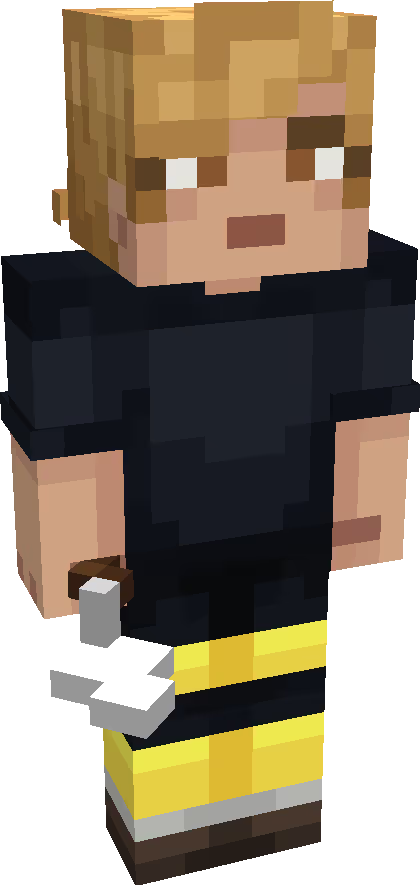
NPC: Sofia Winge
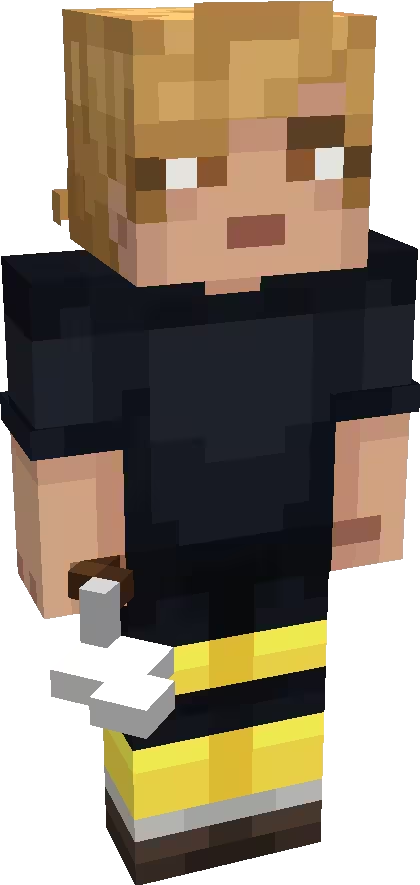
Hello! My name is Sofia Winge, and I work as an archaeologist for the Uppåkra Foundation.
Did you know that beneath the fields of Uppåkra lie the remains of one of the largest Iron Age settlements in Northern Europe? Help us excavate this great settlement in the Minecraft world, and join a time travel adventure to uncover the mysteries of Uppåkra’s finds!
With every artifact you discover, you will learn more and more about Uppåkra’s history. You will also learn about the different methods and interdisciplinary subjects that archaeologists use to gain knowledge.
Oh, and by the way, feel free to check here if you want to meet me and my colleagues (here )– we exist in the real world too!
Did you know that beneath the fields of Uppåkra lie the remains of one of the largest Iron Age settlements in Northern Europe? Help us excavate this great settlement in the Minecraft world, and join a time travel adventure to uncover the mysteries of Uppåkra’s finds!
With every artifact you discover, you will learn more and more about Uppåkra’s history. You will also learn about the different methods and interdisciplinary subjects that archaeologists use to gain knowledge.
Oh, and by the way, feel free to check here if you want to meet me and my colleagues (here )– we exist in the real world too!
Meet Uppåkras scientific council
Hi! My name is Mats Fastrup, and I am the head of Uppåkra’s Scientific Council.
Inside the Minecraft Map, you will interact with so called NPC:s (Non-player characters). The names and the identities of these characters are real life archaeologists and scientists from the Scientific Board now working at Uppåkra. In this game, you will therefore meet a physical engineer and astronaut as well as scientists on cognitive science, pedagogy and osteology among others. Click here to meet us in the real world!
Inside the Minecraft Map, you will interact with so called NPC:s (Non-player characters). The names and the identities of these characters are real life archaeologists and scientists from the Scientific Board now working at Uppåkra. In this game, you will therefore meet a physical engineer and astronaut as well as scientists on cognitive science, pedagogy and osteology among others. Click here to meet us in the real world!
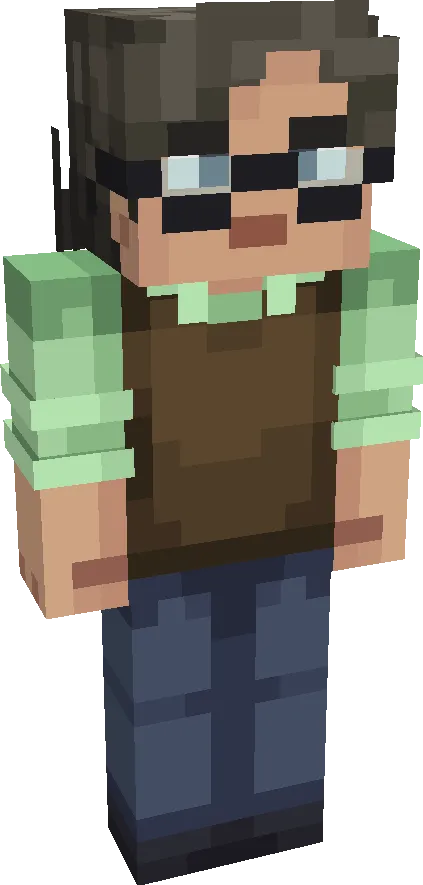
NPC: Mats Fastrup
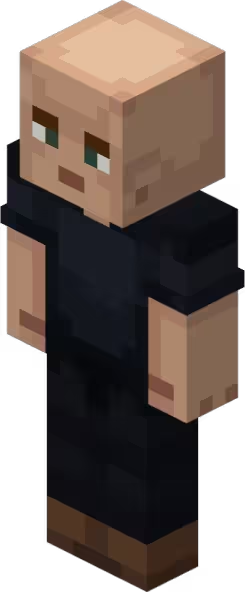
NPC: Micke Hermansson
Micke Hermansson - Dagens Grej
Hello! My name is Micke Hermansson. When I worked as a teacher, I came up with a model with super short lessons that was named “Thing (Grej in Swedish) of the day” or GOTD.
My super short lessons have become super popular. Maybe you have already tried it together with your teacher?
GOTD is about trying to figure out the answer to tricky clues, and then learn something about the answers in very short and fun lessons. Are you ready for some clues?
In the game, I will give you the answers and some fun facts!
“Can be super soft, but also the hardest of them all”
“Air-filled fruit that can float”
“Swedes orbiting the Earth”
My super short lessons have become super popular. Maybe you have already tried it together with your teacher?
GOTD is about trying to figure out the answer to tricky clues, and then learn something about the answers in very short and fun lessons. Are you ready for some clues?
In the game, I will give you the answers and some fun facts!
“Can be super soft, but also the hardest of them all”
“Air-filled fruit that can float”
“Swedes orbiting the Earth”
Ines Tooth Mystery Quest
In the Tooth Mystery Quest, you will learn about a very special find made in our Archaeology school by Ines Roos Bengtsson at Nyvångskolan I Dalby, Sweden. Take a look at this film and learn about her archaeological discovery.
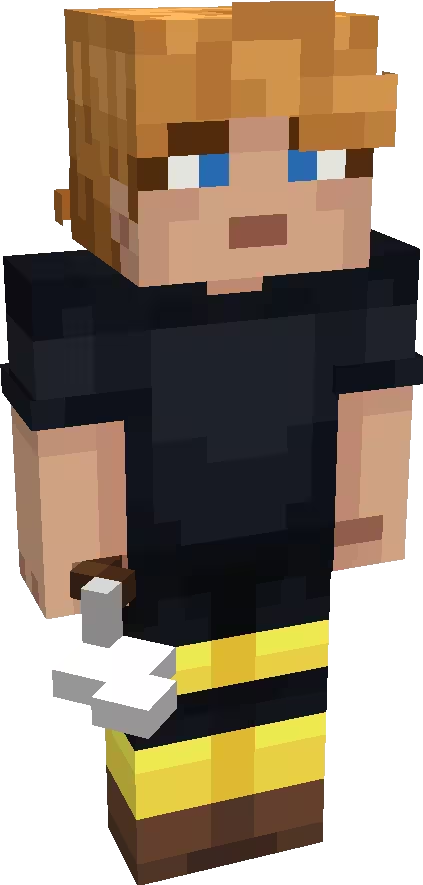
NPC: Linda Spanier
NPC: Pär Widén
The Uppåkra model
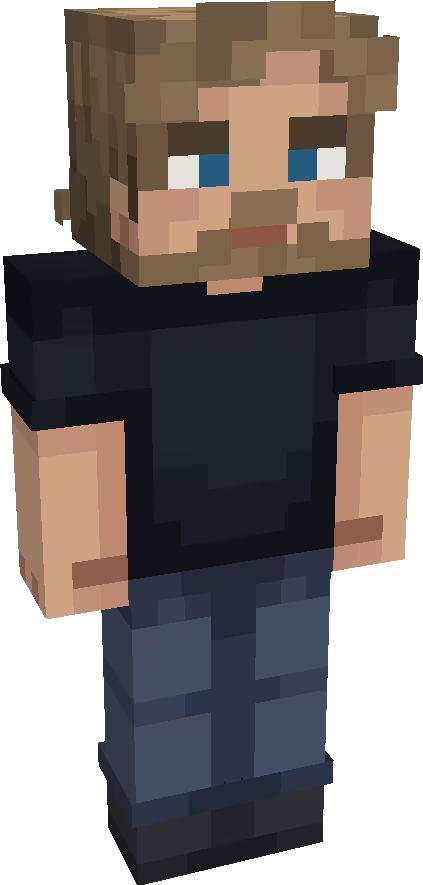
Hi! My name is Pär Widén, and I am a member of the Uppåkra Scientific board. I also do research on pedagogy. In collaboration with my colleague Per Dahlbeck, we have observed and analyzed what happens when students visit and partake in the Archaeology school at Uppåkra.
The results of the study are summarized in the “Uppåkra model”. Basically, the model means that the learning of the students is enhanced when they are engaged and partake in real archaeological projects of digging, and when they are allowed to do “real history” of Uppåkra. This demonstrates that curiosity and engagement in real-life projects are crucial forces in lifelong learning. If you want to know more about this model, take a look at this film about the Uppåkra model!
The results of the study are summarized in the “Uppåkra model”. Basically, the model means that the learning of the students is enhanced when they are engaged and partake in real archaeological projects of digging, and when they are allowed to do “real history” of Uppåkra. This demonstrates that curiosity and engagement in real-life projects are crucial forces in lifelong learning. If you want to know more about this model, take a look at this film about the Uppåkra model!
Scandinavian Iron Age
Uppåkra existed for 1100 years, making this Iron Age village unique and one of its kind in Scandinavia.
In this game, you will time travel to five periods of the Scandinavian Iron Age; The pre-roman Iron Age, Roman Iron Age, Migration period, Merovingian period and Viking Age. If you want to know more about what happened during this millennium, see what History professor Dick Harrison has to say!
In this game, you will time travel to five periods of the Scandinavian Iron Age; The pre-roman Iron Age, Roman Iron Age, Migration period, Merovingian period and Viking Age. If you want to know more about what happened during this millennium, see what History professor Dick Harrison has to say!
NPC: Sofia Winge
Meet Dick Harrison
NPC: Dick Harrison
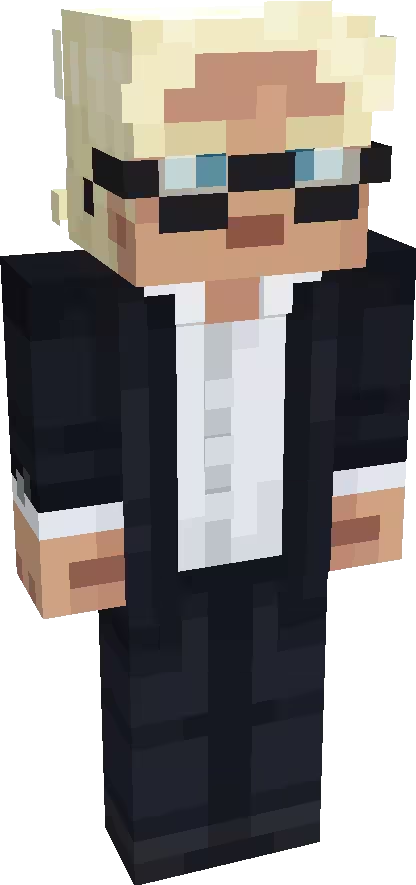
Uppåkra was founded in the first century B.C. and was abandoned about a thousand years later. This time period is called the Iron Age in Scandinavia. This means that those who lived there felt – in various ways – the impact of the great events that shaped modern Europe. The Roman Empire had its golden age and fall. Religions like Christianity and Islam emerged, and countries like France and England began to take form. At the end of the Iron Age, the Vikings set out on long voyages.
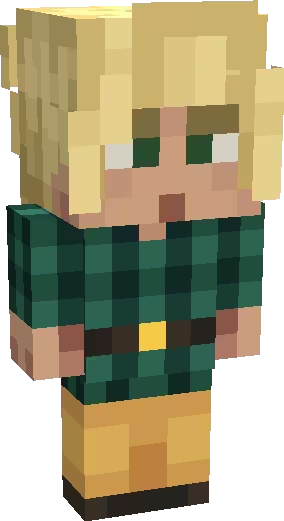
What’s that? The Iron Age? I have never heard of it.
NPC: Barn
NPC: Dick Harrison
Well, the Iron Age got its name, long in retrospect, from the metal iron. In Scandinavia, people learned to handle iron around 500 f.Kr, and the period is called the Iron Age until 1050 e.Kr when the Middle Ages begin.
The knowledge of making iron is one of the most important inventions man has made throughout history. The hard and durable metal was both cheaper and easier to manufacture than the bronze, silver and gold that had existed for a long time. New iron tools made it easier for people to forge, work the land and fight. Everything became more efficient and locally produced. Iron is found naturally in Scandinavia and long and expensive transports around Europe could be avoided.
The knowledge of making iron is one of the most important inventions man has made throughout history. The hard and durable metal was both cheaper and easier to manufacture than the bronze, silver and gold that had existed for a long time. New iron tools made it easier for people to forge, work the land and fight. Everything became more efficient and locally produced. Iron is found naturally in Scandinavia and long and expensive transports around Europe could be avoided.
Iron Age Fashion
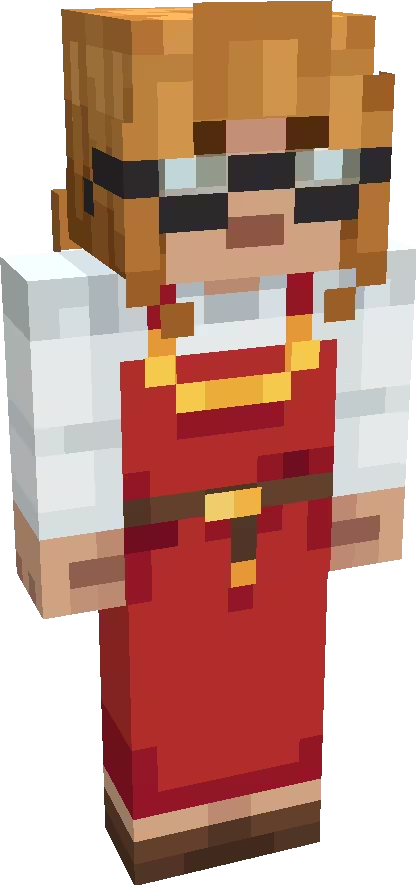
Hi! My name is Susanna Broomé, and I am an expert on how people dressed during the Iron Age.
At Uppåkra, no fabric remains have been preserved, but we can still figure out how people might have dressed by looking at finds from other places in Scandinavia.
In the game, villagers, the rich, and other characters are dressed according to the time period they come from. Here are some examples:
At Uppåkra, no fabric remains have been preserved, but we can still figure out how people might have dressed by looking at finds from other places in Scandinavia.
In the game, villagers, the rich, and other characters are dressed according to the time period they come from. Here are some examples:
- Pre-Roman Iron Age (Mission 1):
Clothes were often green checkered, yellow, orange, and sometimes red or blue. - Roman Iron Age (Mission 3):
Checkered patterns became less common. People started dyeing fabrics with a plant called woad, which gave a blue color. Blue became very popular. - Migration Period (Mission 4):
Clothes were mostly single-colored, but people began using colorful decorative bands called brick bands. - Vendel Period (Mission 5):
Bright colors were fashionable. Men wore kaftans with diagonal cuts, and warriors had decorated helmets – just like in the game. - Viking Age (Missions 6 and 7):
The richest could afford imported silk.
Women wore straight kaftans, and wealthy men could wear chainmail.
Susanna Broomé
The ongoing excavation of the great hall
NPC: Håkan Aspeborg
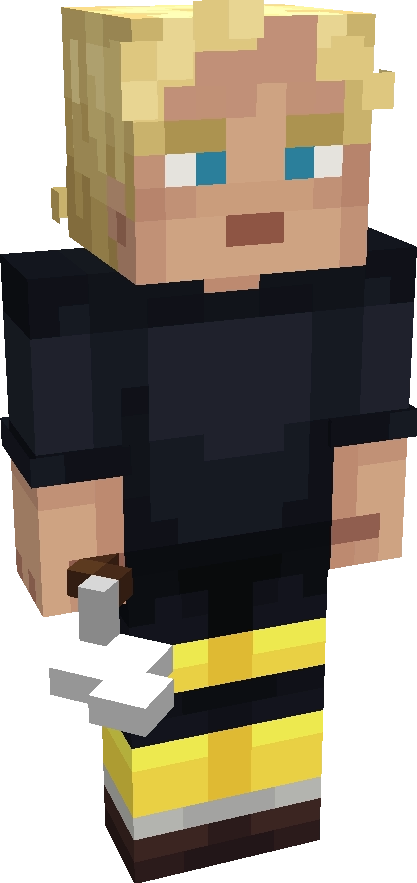
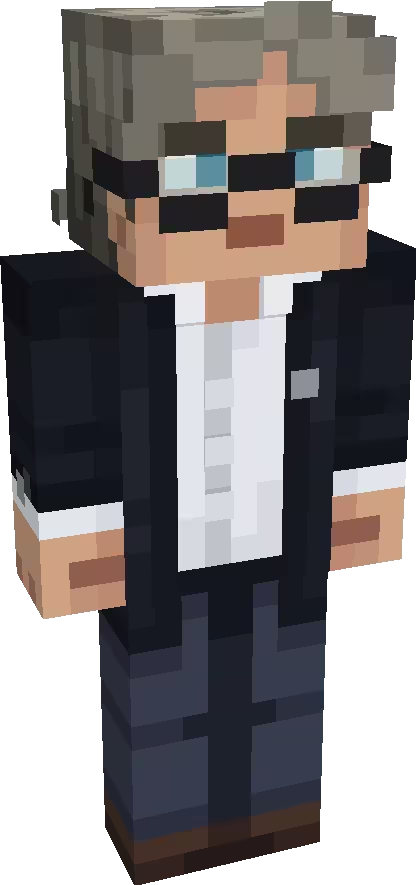
Hello! I am Håkan Aspeborg and I am leading the excavations at Uppåkra together with a team of archaeologists from Lund University.
In 2022, the largest research excavations in Sweden to this day started at Uppåkra. Generations of so called Great Halls, wooden palaces that were once the homes of the rulers of Uppåkra , are being excavated. Many more answers to the secrets of Uppåkra will be revealed, and the history will be rewritten in the years to come. In this game, one of the missions is to rebuild the Great Hall.
Join the quest and start working with the latest results and finds from the excavations in order to create your interpretation of the building. You may also participate in a contest. The interpretation closest to the results of the excavations will win the contest!
You can send in your contribution to sofia.winge@uppakra.se, taking a screenshot of your reconstruction. Don’t forget to hand in documentation on your choice of materials and interpretations. In 2027 we will announce the winner!
Read more below about the Great Hall quest.
In 2022, the largest research excavations in Sweden to this day started at Uppåkra. Generations of so called Great Halls, wooden palaces that were once the homes of the rulers of Uppåkra , are being excavated. Many more answers to the secrets of Uppåkra will be revealed, and the history will be rewritten in the years to come. In this game, one of the missions is to rebuild the Great Hall.
Join the quest and start working with the latest results and finds from the excavations in order to create your interpretation of the building. You may also participate in a contest. The interpretation closest to the results of the excavations will win the contest!
You can send in your contribution to sofia.winge@uppakra.se, taking a screenshot of your reconstruction. Don’t forget to hand in documentation on your choice of materials and interpretations. In 2027 we will announce the winner!
Read more below about the Great Hall quest.
Facts about the Great Hall
The area where generations of Great Hall buildings once stood, have previously been open for excavations.
Many buildings have been built in the same area during the Iron age.
The building from 500 A.D period is one of the best preserved. This is the one that we also have chosen for the game from Quest 4, the Murder Mystery!
What did they use as building material? The buildings during the Iron Age in Scandinavia were built of so-called organic building material, such as for example wood and straw. These materials are rarely preserved to our days.
It is also important to remember that only a fraction of the objects in ancient times have been preserved to the present. Objects made of organic matter such as wood and textiles quickly break down in the soil. We therefore need to imagine tools, furniture, clothes and much more to get a better picture of Uppåkra during the Iron Age.
Many buildings have been built in the same area during the Iron age.
The building from 500 A.D period is one of the best preserved. This is the one that we also have chosen for the game from Quest 4, the Murder Mystery!
What did they use as building material? The buildings during the Iron Age in Scandinavia were built of so-called organic building material, such as for example wood and straw. These materials are rarely preserved to our days.
It is also important to remember that only a fraction of the objects in ancient times have been preserved to the present. Objects made of organic matter such as wood and textiles quickly break down in the soil. We therefore need to imagine tools, furniture, clothes and much more to get a better picture of Uppåkra during the Iron Age.
NPC: Farbror Sven
Materials to recreate the Great hall
NPC: Håkan Aspeborg
Use the information below in order to make your own interpretation of what the building looked like, and what objects there were inside!
For example: Choose the building material that the people at Uppåkra might have used. Write down why you choose this material based on facts and educated guesses. This task often triggers questions. What we know so far (in 2026):
Roof bearing posts: In the bottom of the holes, they had put big stones to support the posts. We do not know what material the posts were made of, but oak is a sustainable material that might have been used. Roof: So far, there have not been any finds indicating what the roof was made of. But the roofs during the Iron Age in Scandinavia were usually made of straw, or reed.
Walls: Parts of the walls were found. They were made with so called wattle and daub technique, meaning that intertwined branches were covered with yellowish clay.
Floor: The floor was also made of yellowish, hardened clay.
Finds: The finds inside the building shows that the people living in this house were rich, prominent people. It was the home of the leading family of Uppåkra! Many objects made of gold and silver such as brooches and coins have been found, as well as glass sherds that were once beautiful bowls and beakers. They have also uses bowls and beakers made of ceramics.
What did they put on their table? Finds of tons of animal bones, waste from what seems to have been big feasts, have been made. They ate for example veal, pork, lamb, fish (herring and cod) and meat from horse.
They probably drank beer, brewed by the big ovens found at Uppåkra. The also ate cale, turnip and carrot, and used dill and parsley. These were plats that had been imported from the roman empire and were very luxurious at the time.
Charred grains: The charred grains of barley from this building shows that the people stored big jars of grain inside the building. Perhaps it was the food supplies for the winter?
Bear claws: On the floor of the building bear claws have been found. This might be what’s left of a bear fur that once was spread on the floor.
For example: Choose the building material that the people at Uppåkra might have used. Write down why you choose this material based on facts and educated guesses. This task often triggers questions. What we know so far (in 2026):
Roof bearing posts: In the bottom of the holes, they had put big stones to support the posts. We do not know what material the posts were made of, but oak is a sustainable material that might have been used. Roof: So far, there have not been any finds indicating what the roof was made of. But the roofs during the Iron Age in Scandinavia were usually made of straw, or reed.
Walls: Parts of the walls were found. They were made with so called wattle and daub technique, meaning that intertwined branches were covered with yellowish clay.
Floor: The floor was also made of yellowish, hardened clay.
Finds: The finds inside the building shows that the people living in this house were rich, prominent people. It was the home of the leading family of Uppåkra! Many objects made of gold and silver such as brooches and coins have been found, as well as glass sherds that were once beautiful bowls and beakers. They have also uses bowls and beakers made of ceramics.
What did they put on their table? Finds of tons of animal bones, waste from what seems to have been big feasts, have been made. They ate for example veal, pork, lamb, fish (herring and cod) and meat from horse.
They probably drank beer, brewed by the big ovens found at Uppåkra. The also ate cale, turnip and carrot, and used dill and parsley. These were plats that had been imported from the roman empire and were very luxurious at the time.
Charred grains: The charred grains of barley from this building shows that the people stored big jars of grain inside the building. Perhaps it was the food supplies for the winter?
Bear claws: On the floor of the building bear claws have been found. This might be what’s left of a bear fur that once was spread on the floor.
Meet Torbjörn Ahlström
Hi! My name is Torbjörn Ahlström, and I am a professor in Osteology. This means that I am an expert on bone material. If you have any questions about what the people might have eaten or what types of analysis we are planning to do in this project, just ask!
If you have any questions to me, Håkan or just a general question that you would like to know more about, send an e-mail to sofia.winge@uppakra.se and she will pass the questions forward to whom it may concern!
NPC: Håkan Aspeborg
Important about Minecraft
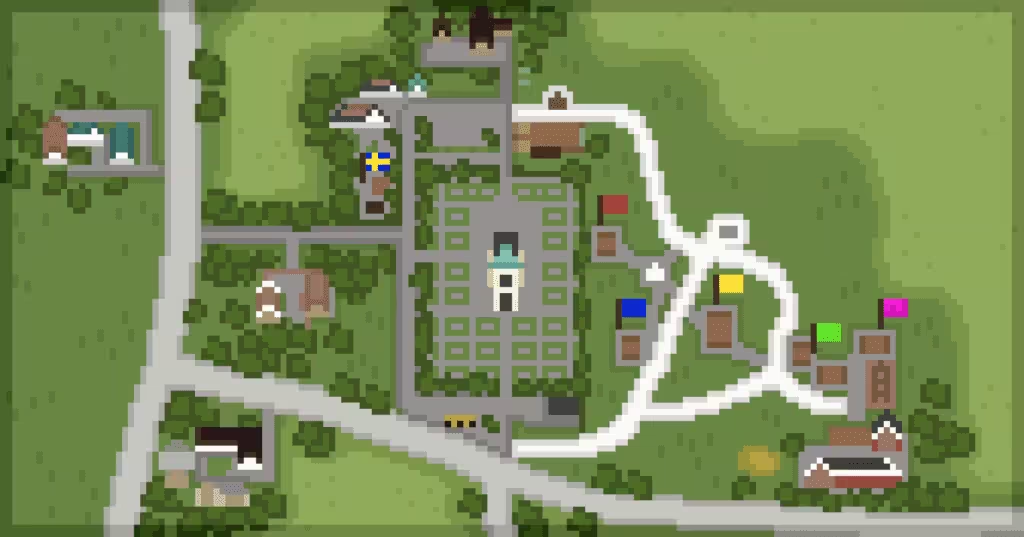
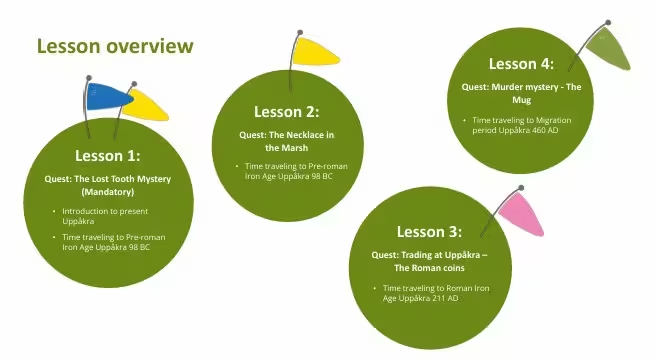
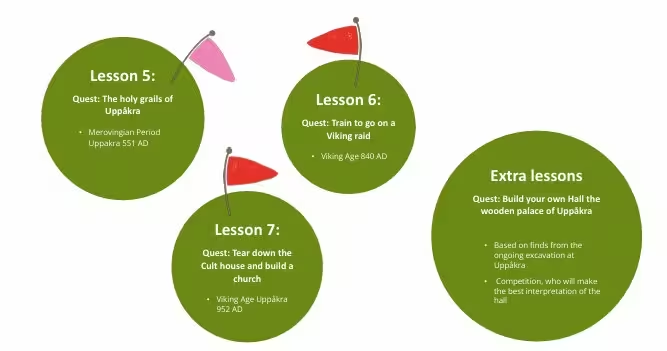
The only part of the game that cannot be skipped is the introduction/Lesson 1, The Tooth Mystery at the Yellow and Blue Flag. (the picture with the map and the flags needs to be here).
It guides you through the first steps of the game.
After completing each mission, you receive a personal certificate, which shows the learning objectives and skills you gained by completing the mission. Here’s how the game works:
It guides you through the first steps of the game.
After completing each mission, you receive a personal certificate, which shows the learning objectives and skills you gained by completing the mission. Here’s how the game works:
- Talk to the researchers and archeologists
- Dig up finds
- Do a time travel and do missions
- Report your finds
- Learn more about Uppåkra, history and science
To start a particular quest, you need to dig up the right item. So there can be several finds in the same shaft, but only some that send you on a time trip. you will find an overview of all the excavation sites, and where you can find the right finds to start the missions. Most of the finds that the students find are real finds that have been found in the same place in the Uppåkra of reality. The only part of the game that cannot be skipped is the introduction/Lesson 1, The Tooth Mystery at the Yellow and Blue Flag. (the picture with the map and the flags needs to be here).
It guides you through the first steps of the game.
After completing each mission, you receive a personal certificate, which shows the learning objectives and skills you gained by completing the mission. Here’s how the game works:
It guides you through the first steps of the game.
After completing each mission, you receive a personal certificate, which shows the learning objectives and skills you gained by completing the mission. Here’s how the game works:
The Raven Munin
In the Minecraft world a black raven called Munin follows you around. You can talk to Munin during quests and he will give you tips or let you cancel the quest and go back to the present. (Did you know that adding the crow in the game was an idea of one of the students involved in one of the classroom sessions when we created Time travel at Uppåkra world) The map is really big. There are bikes you can take to go from one point to another. Just click on a bike to get on and press Shift or Space to jump off the bike.
If you get stuck:
Press T to open a chat window. Type /function travel/next to get unstuck
Need to travel back to present time Uppåkra?
Talk to the crow Munin and follow his instructions.
Need to travel back to present time Uppåkra?
Talk to the crow Munin and follow his instructions.
Commands
These are a few commands in general. There is more advice on how to manage each quest in the Teachers guide.
On Foot
- W = Forward
- S = Backward
- A = Left
- D = Right
- CTRL or double-tap W = Run
- Left mouse button (empty hand) = Swing arm / Attack / Destroy
- Right mouse button (with item) = Swing item (for digging) / Attack / Destroy
- Right mouse button = Talk to people
- Right mouse button = Interact with objects (object displays)
- Right mouse button = Place a block
- Right mouse button = Get on the bike
- Space = Jump
- Q = Drop item
- E = Open inventory
- 1–9 or mouse scroll = Select hotbar item
On Bike:
- W = Forward
- S = Backward
- A = Left
- D = Right
- Space or Shift = Get off the bike
Download the game here!
Teachers guide
Quick installation guide
Snabbnavigation
- Meet the Uppåkra archeologists
- Meet Uppåkras scientific council
- Grej of the day
- Ines tooth mystery quest
- The Uppåkra model
- Scandinavian iron age
- Meet Dick Harrison
- Iron age fashion
- The Great hall excavation
- Facts about the Great hall
- Materials to recreate the Great hall
- Meet Torbjörn Ahlström
- Important about minecraft
- Commands
.svg)